
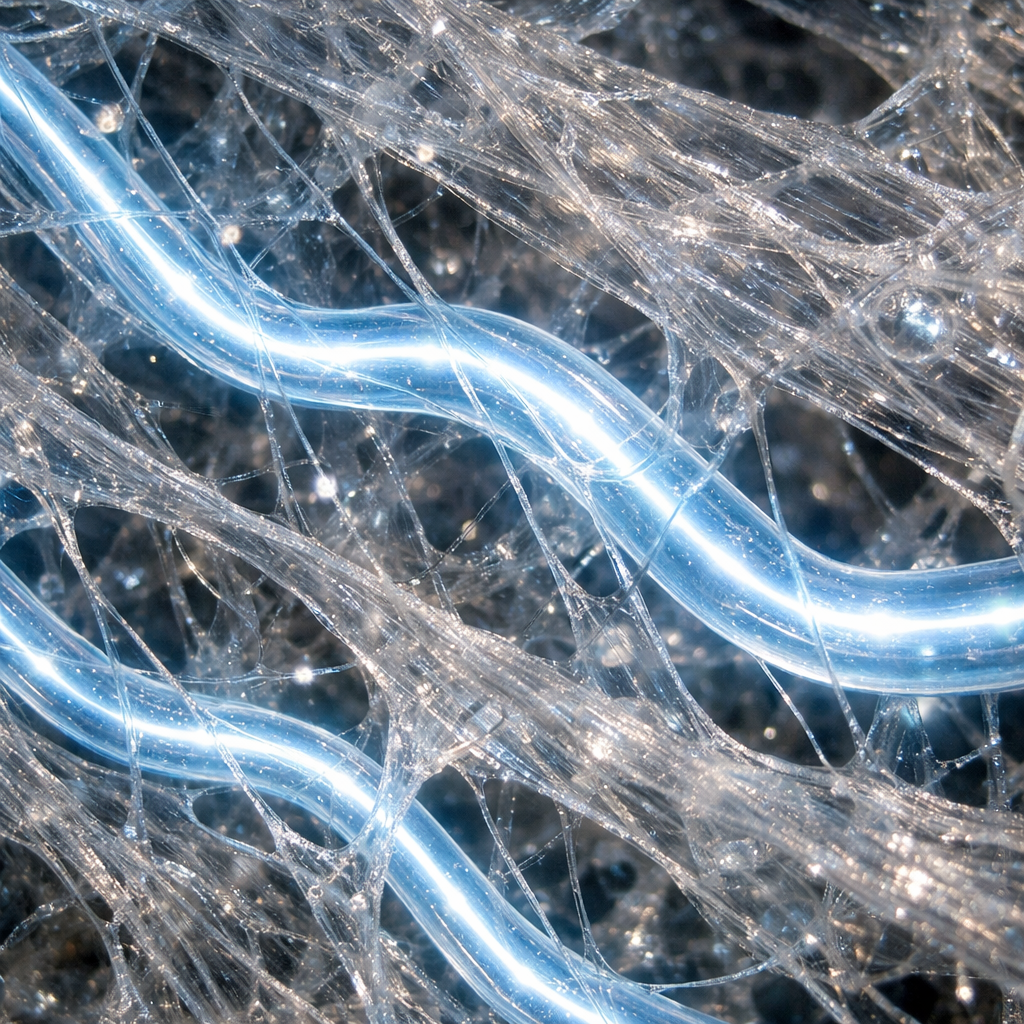
Fascia, The Body & How It Really Works
Most people have never been taught what fascia is, and yet it is one of the most important systems in the body, because it is the system that connects everything together and responds to everything you have and ever experience, physically and emotionally, in your life… Fascia remembers and once you understand it, you start to see the body differently, and more importantly, you start to understand why you feel the way you do.
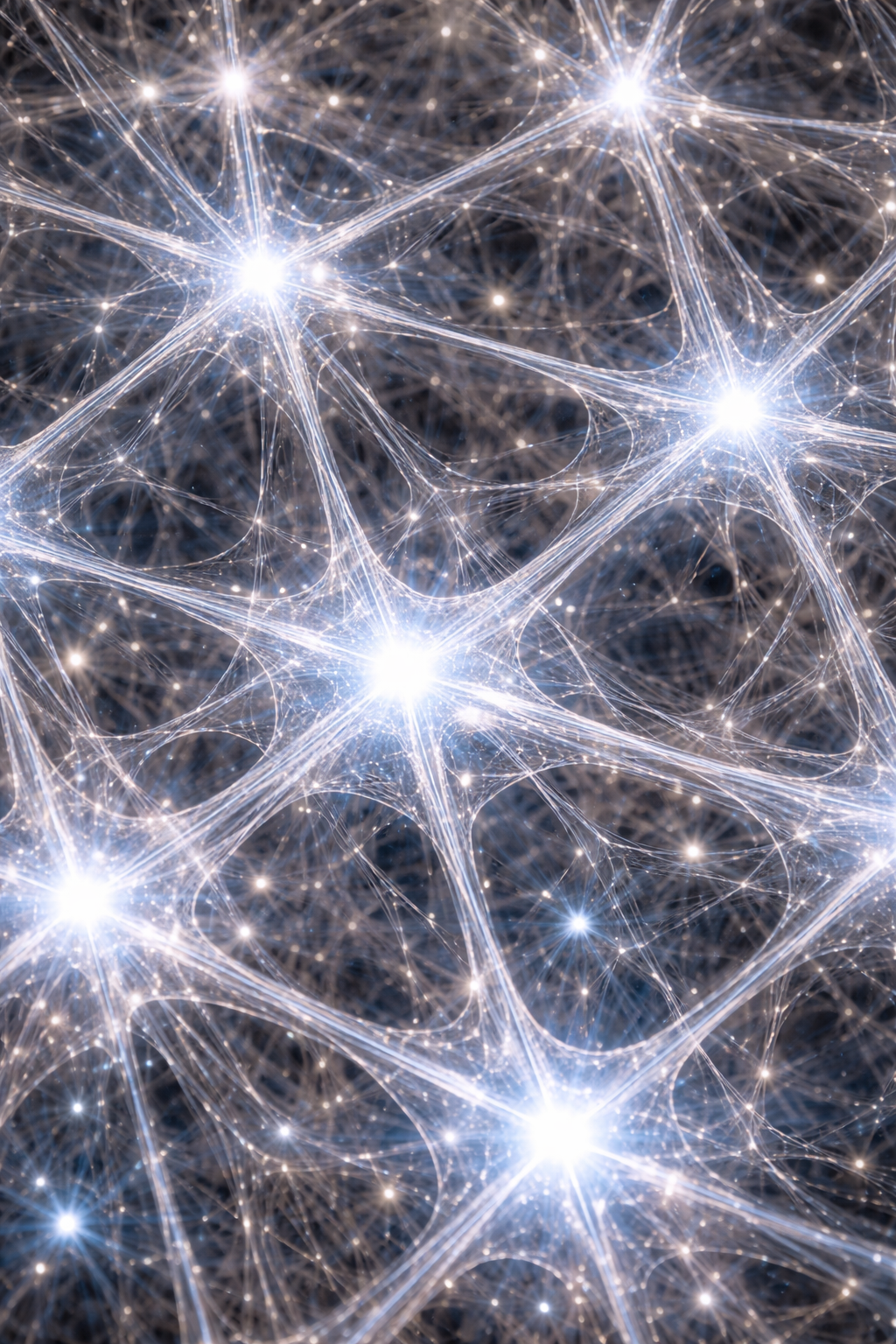
What fascia actually is
Fascia is a connective tissue, made up largely of collagen, elastin and water, and it forms a continuous web throughout the entire body, wrapping around muscles, organs, nerves and everything in between and it is not in separate parts, it is one huge expansive intelligent plasma system.
So rather than the body working in isolated areas, fascia allows everything to move and respond together, which means that what happens in one area will always have an effect somewhere else.
The easiest way to understand it is to imagine a piece of linen. If you twist it in one place, the whole fabric responds, it tightens, it pulls, it changes shape throughout, not just where you touched it. That is how fascia behaves.
How the body begins to hold
Your body is constantly recording information and adapting. Everyday things like how you sit, how you stand, how you breathe, and how you carry stress all influence the way your fascia organises itself, but it is not just physical.
When you go through stress, overwhelm, or more significant experiences like trauma, the body doesn’t just “move on” once it is over. The nervous system responds, and the body adapts to protect.
Breathing can become shallow, the chest can tighten, the shoulders may lift slightly, the stomach can hold, and over time these patterns begin to settle into the fascia. Because fascia is living tissue, it changes in response to load and environment.
If it is not being moved, hydrated or allowed to soften, it can become more dense, less elastic, and less fluid. People often describe this as feeling tight, in pain, heavy or restricted but what is actually happening is that the fascia is becoming less hydrated and more fixed in its pattern. Just like that piece of linen, twisted and left and it begins to hold that shape.
The nervous system and fascia working together
Fascia and the nervous system are constantly communicating. Fascia is full of sensory receptors, which means it is always feeding information back to the brain about pressure, movement and internal state. So when fascia is soft and responsive, well hydrated and able to move, the nervous system feels more settled, but when fascia becomes tight, dry and restricted, that information is interpreted as tension, and sometimes even as threat.
This is why you can feel: “I can’t switch off” or “I feel on edge” or “My body just won’t relax” Even when you are trying to, because the body itself is still holding that pattern.
Why it doesn’t just “go away”
One of the biggest misunderstandings is that rest alone will fix this, but fascia doesn’t just reset on its own. If the pattern has been there for a long time, the body has adapted around it.
Collagen fibres reorganise, hydration reduces, and the tissue becomes less able to move freely. So the body stays in that state, not because it wants to, but because it has learnt to. This is why people often notice that the same areas keep coming back again and again and i deeply feel this is linked to conditions such as Fibromyalgia.
How fascia communicates within the body
Fascia is also piezoelectric, which means when it is compressed, stretched or worked, it generates electrical signals. So the body is not just mechanical, it is also electrical and responsive.
Touch, pressure and movement all influence how the body communicates internally. This is why slow, intentional work has such a different effect compared to fast or forceful techniques
Because you are not just moving tissue, you are influencing how the body is signalling and responding.
What people feel during and after treatment
When fascia begins to soften, hydration improves and the nervous system starts to regulate, people often notice changes that are hard to put into words. They feel lighter, clearer, more present and more like themselves. Some people describe this as energy moving.
I see it as the body becoming less restricted and more organised again. This is why I work the way I do. Not fast, not forced and not surface level. I work with fascia, the nervous system, the organs and the body as a whole system, because that is where real change happens and this is why the results you feel are not just temporary. Because the body has been supported to shift, not just pushed to relax.
What this means for you
If your body feels tight, heavy, or difficult to switch off, it does not mean something is wrong. It means your body has adapted and with the right approach, the right pace, the right conditions and the right input, it can adapt again.
The body doesn’t respond to force. It responds to understanding, to time, and to being worked with properly and when it gets that it softens, hydrates and flows well again.
Do you want to go deeper into your fascia?
Because this is where it starts to shift from just understanding the body to actually understanding yourself within it.
Fascia is not just structure, and it’s not just movement it is responsive, adaptive, and constantly communicating, not only mechanically but electrically and chemically, which is why it is now being looked at more seriously in research as a system that carries and transmits information throughout the entire body.
When fascia is alive and healthy, it is fluid, conductive and organised, and there have been observations in living tissue that show it behaving almost like a shimmering, responsive network… whereas when the body is no longer alive, that same quality is gone, and what is left looks flat, dry and inactive and that difference is important.
It begins to point towards fascia not just being something that holds the body together, but something that participates in how the body experiences itself.
Fascia is piezoelectric, which means when it is compressed, stretched or moved, it generates electrical charge, and this is one of the ways the body communicates internally, constantly sending signals, adapting, responding, reorganising.
So every time you move, every time you are touched, every time pressure is applied, you are not just affecting tissue… you are influencing how your body is signalling and perceiving itself and over time, this builds patterns.. Not just physical patterns but lived patterns. Fascia adapts to everything you go through, not just posture or movement, but stress, overwhelm, emotional experiences, the way you hold yourself when life feels too much, the way your breath changes, the way your body protects and it remembers.
Not like the brain remembers in thoughts or images but in tension, in restriction, in holding, in the way certain areas don’t quite let go even when you consciously try to relax. This is why the body can feel like it’s still holding something, even when your mind has moved on.
Fascia is like a living record of adaptation. A library of everything your body has had to do to get you through and once you start to understand that you stop fighting your body and you start listening to it.