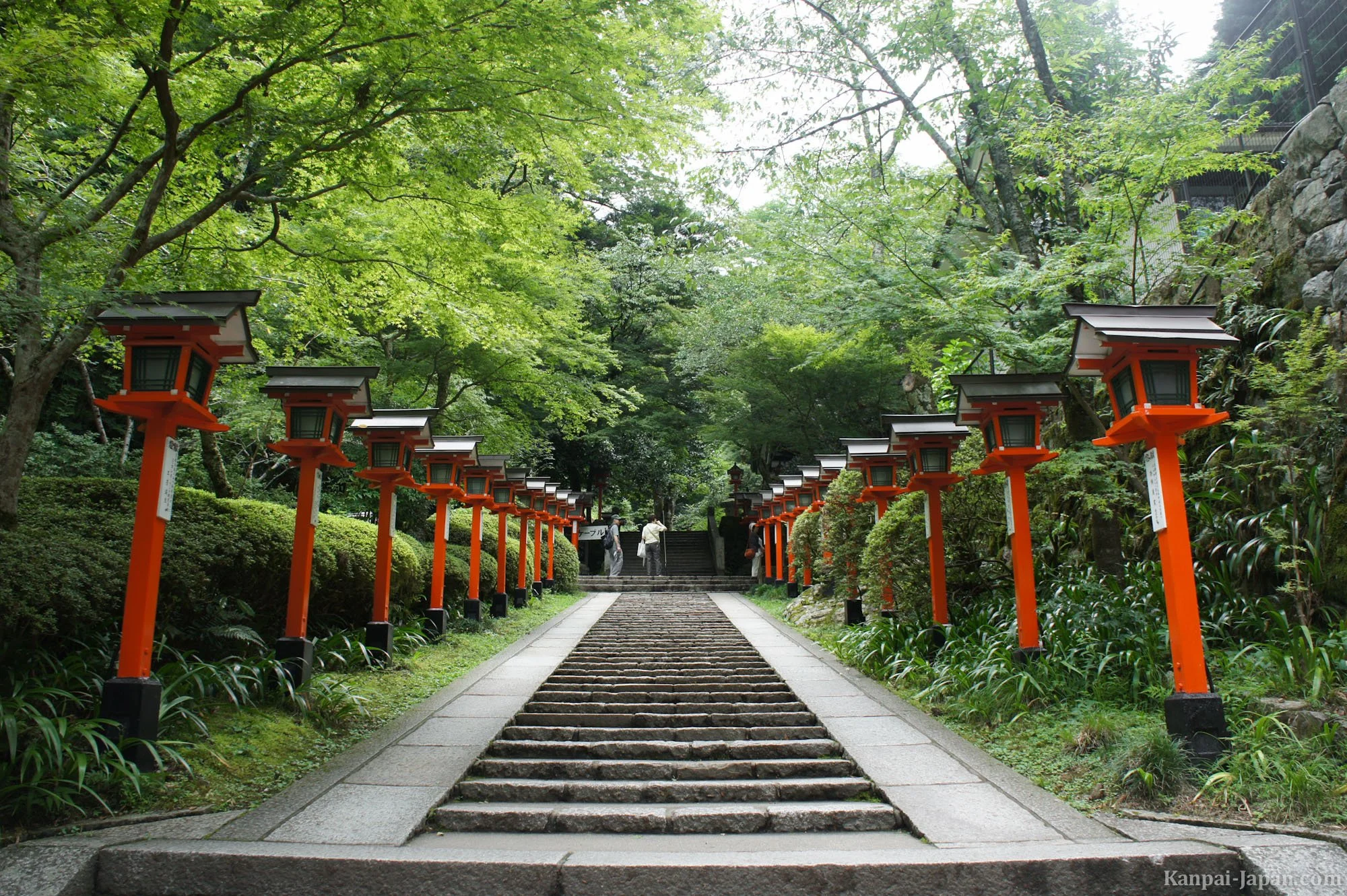
Professional Usui Reiki Ryōhō Training in County Durham
A grounded path of practice, self development and responsibility
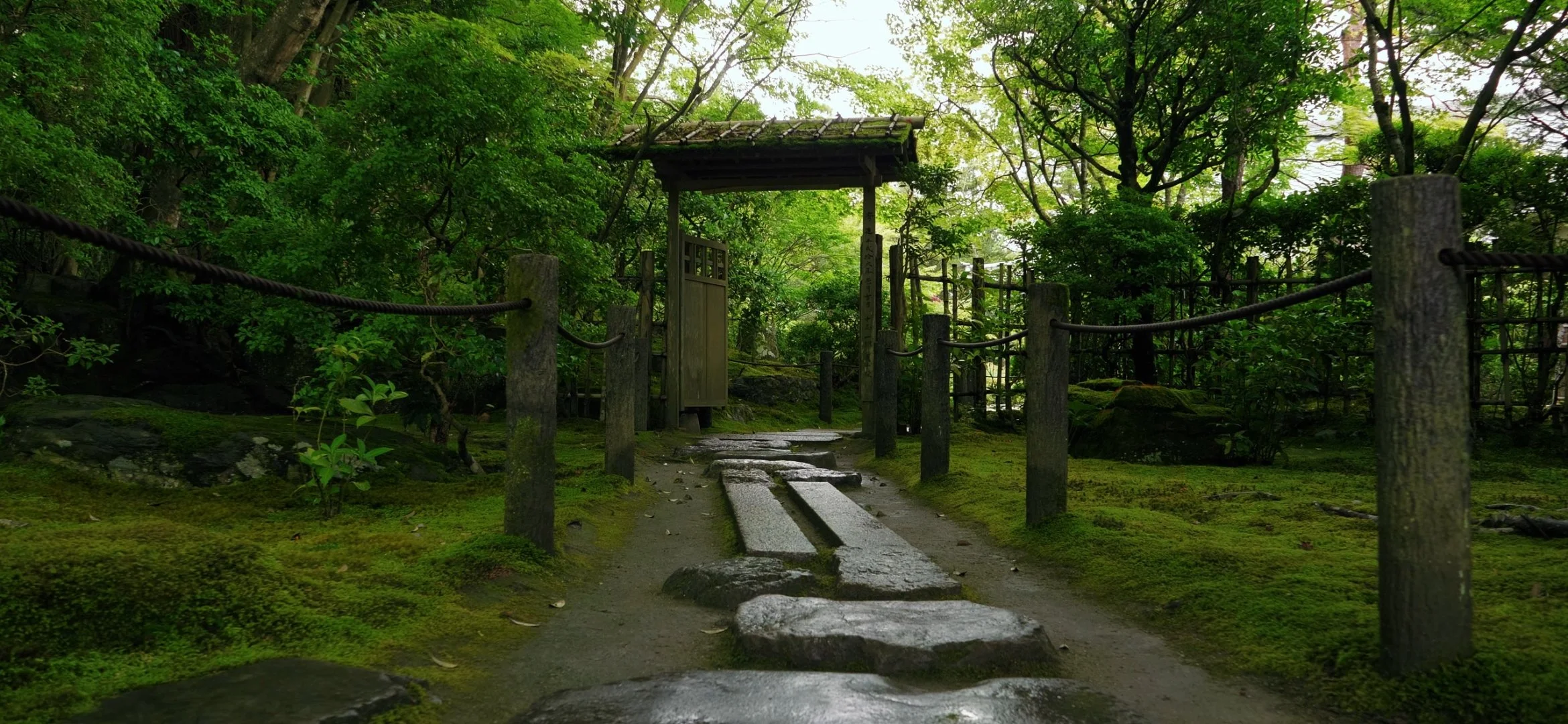
Holistic Care Durham is a dedicated Usui Reiki Ryōhō Training Centre in County Durham, offering professional Reiki training from Shoden Reiki I through to Okuden Reiki II, Shinpiden Reiki III and Shihan Teacher Mentorship.
This is Reiki training for those who want to learn with depth, care and respect for the roots of the practice.
My approach to Reiki is anchored in Japanese practice, lineage, ethics, Reiju, Gasshō, the Reiki Precepts and the understanding that Reiki begins with the respect and compassion for the self. Reiki is a living practice, and when it is taught well, it can become a powerful path of self-awareness, compassion, presence and responsibility.
As an author, former NHS nurse, full-time therapist, Usui Reiki Master Teacher and full member of the UK Reiki Federation, I bring professional experience, deep study and a strong ethical foundation to every level of training. My teaching is clear, supportive and deeply grounded, with enough warmth and humour to help students feel safe, relaxed and able to learn.
Students are not simply trained and left. Ongoing support is available through The Reiki Dojo, a community and learning space for Reiki students and practitioners who want their practice to keep growing after a course has finished.
Reiki is often presented as something simple to learn and in many ways, it is, but the depth of Reiki lies not in the techniques, but in how it is practiced, embodied, and lived over time.
In its original form, Usui Reiki Ryoho is a path of self-cultivation. Working with others is not the starting point. It is something that develops naturally as your awareness, understanding, and steadiness deepen.
Whether you are completely new to Reiki, returning after previous training, or ready to deepen your practice further, this is a place to learn Reiki with depth, structure, support and integrity.
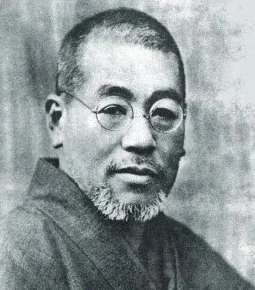
Reiki Training Pathway
Reiki is traditionally taught in stages. Not as a ladder to climb, but as a way of allowing the practice to settle into the body, the mind and daily life.
Shoden Reiki I (The Beginning Teachings)
This is where we begin. Shoden is not about becoming a practitioner. It is about returning to the body and learning how to feel again.
We work with:
hands-on practice
self-treatment
awareness of the body
the breath and nervous system
developing sensitivity without force
This is where many people first realise how much they have been holding and more importantly… how the body begins to shift when it is given the right conditions.
There is no pressure to perform at this level. It is about reconnection and foundation.
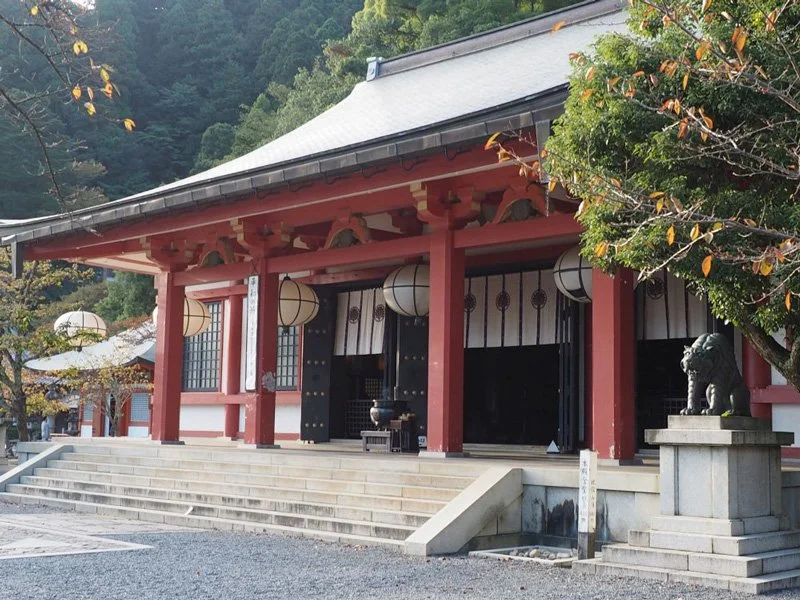
Okuden Reiki II (The Inner Teachings)
Okuden builds on that foundation. Here, the work becomes more refined. Not more complicated, just more clear and intentional.
We explore:
symbols and mantras as states of mind, not tools
deeper awareness within the body
how attention influences the system
working with others in a steady, grounded way
distance work, without abstraction or imagination
This level is recognised as practitioner level which means you are able to work professionally and obtain insurance if you choose, but more importantly, you begin to understand how to hold space properly. Not through technique, but through presence.

Shinpiden Reiki III Master Level (The Mystery Teachings)
Shinpiden is often misunderstood. It is not about becoming a Master and it is not about status. It is a deepening of personal practice.
At this stage, we move away from doing and begin to refine how we are within the work.
We focus on:
clarity of mind
steadiness of presence
simplicity within practice
responsibility when working with others
understanding Reiki beyond structure
For some, this level brings more confidence and for others, it brings a deeper sense of humility and often… both.
Shihan, Reiki Teacher Mentorship
Two Days + One Year of Guided Development
Shihan is often misunderstood. It is not simply a title, and it is not something that should be added quickly after completing Master level. To become a Reiki Teacher is to take on a deeper responsibility. It is not only about knowing the teachings. It is about being able to hold them with clarity, maturity and respect.
At this stage, we move from deepening our own personal practice into learning how to support the practice of others. This is why my Shihan pathway is not a one-day course after Master training. It is a 2 day in person mentorship, followed by one full year of guided development, observation and support. This is because teaching Reiki properly takes time.
At this level, we focus on:
• understanding the responsibility of teaching Reiki
• learning how to hold students safely and professionally
• deepening your understanding of Usui Reiki Ryōhō
• preparing to teach Shoden, Okuden and Shinpiden with confidence
• learning how to give Reiju with care and respect
• developing your own teaching voice
• understanding boundaries, ethics and professional standards
• creating clear, grounded teaching material
• learning through observation, shadowing and real experience
For some, this pathway brings confidence, for others, it brings humility and often it brings both. Because becoming Shihan is not about standing above others. It is about learning how to stand firmly within the practice, so that you can guide others with professionalism, respect and depth.
The Shihan Mentorship Includes
This pathway begins with two full in person days together at Holistic Care Durham Therapy Centre. During these two days, we explore the foundations of teaching Reiki, the deeper responsibilities of becoming a Reiki Teacher, how to structure classes, how to support students, how to hold a learning space, how to offer Reiju and how to teach Usui Reiki Ryōhō in a way that is respectful, grounded and clear.
After these two days, your development continues through one full year of mentorship. During this year, you will have the opportunity to shadow Reiki training across Shoden, Okuden and Shinpiden, observe how classes are held, understand how students are supported, and gradually develop your own confidence as a teacher.
You will also be supported in preparing your own Shoden manual, developing your teaching structure, and learning how to deliver a full 2 day Shoden course with professionalism and integrity.
Certification as Shihan is not given simply for attending the two days. It is awarded when you have completed the mentorship process, created your Shoden manual, and shown that you are ready to teach Reiki with care, understanding and responsibility.
This pathway is for those who feel ready to teach Reiki with respect for the system, the students, and the roots of the practice. Shihan is not the end of Reiki training. It is the beginning of learning how to carry the teachings forward.
Integration Between the Levels
Reiki is never something to rush and in my teaching, each level is treated as a real stage of practice, not as a course to complete or a certificate to collect.
The UK Reiki Federation places strong emphasis on safe, ethical and accountable Reiki practice, including proper training, lineage, ongoing support, professional standards and experience. For those who go on to teach Reiki, they also recommend that Reiki Master Teachers should have used Reiki for a minimum period of twelve months before teaching others.
For this reason, I ask students to allow time between each level, so the teachings can be properly lived, practised and integrated.
As a professional guide:
Shoden to Okuden: minimum 3 months
Okuden to Shinpiden: typically 6–12 months
Shinpiden to Shihan / Teacher Mentorship: minimum 12 months of Reiki practice and development before stepping into teaching
This time allows Reiki to move from something you are learning, into something you are living and it gives space for self-practice, reflection, client experience, confidence, humility, questions, and a deeper understanding of what Reiki is beyond the structure of a course.
My approach is not to rush students through the levels. Each stage asks something different from us…
Shoden begins with the self. It is the foundation of practice, where we learn to return to our own body, our own mind, our own breath, and our own relationship with Reiki.
Okuden deepens this practice. It introduces the inner teachings, distance work, mental and emotional support, and the responsibility of beginning to work more fully with others.
Shinpiden is often called the Master level, but it is not about status. It is a deepening of personal practice, clarity, presence and responsibility.
Shihan, the teacher pathway, is different again. To teach Reiki is not simply to know the information. It is to be able to hold students safely, explain the system clearly, give Reiju with respect, understand lineage, ethics and boundaries, and carry the teachings forward with maturity.
Alongside the teachings of Reiki itself, I bring many years of professional therapeutic experience, a former nursing background, and a strong understanding of ethics, safeguarding, consent, boundaries and the responsibility of care. For me, this matters deeply, because Reiki training should feel supportive and meaningful, but it should also be held with maturity, safety and respect.
This includes:
Reiki as a practice for the self first
the Reiki Precepts as a foundation for daily life
Gasshō meditation and the cultivation of presence
Reiju and the importance of receiving and returning to practice
Japanese Reiki history and lineage
ethical hands-on practice
consent, boundaries and student safety
professional responsibility when supporting others
ongoing practice beyond the training days
I do not teach Reiki as a trend, a quick certificate or something to collect. I teach it as a living practice that asks us to become more honest, more present and more responsible in the way we meet ourselves and others. My intention is that students leave training not only knowing what to do with their hands, but understanding why the practice matters, how to continue with it, and how to hold Reiki with sincerity, humility and care.
Reiki is not something you simply complete, it is something you return to and over time, the practice begins to shape the way you listen, the way you respond, the way you sit with yourself, and the way you meet the world around you. It becomes less about trying to be powerful, and more about becoming steady, sincere and clear enough for the practice to live through the way you are.
That is why I teach Reiki with depth, structure and real respect for the roots of the tradition. Because when Reiki is taught well, it is not only a course. It is the beginning of a path.